Coastal Boat Coverage
Boat Insurance in Fort Myers, FL
Get clear boat coverage options today.
What Good Coverage Looks Like
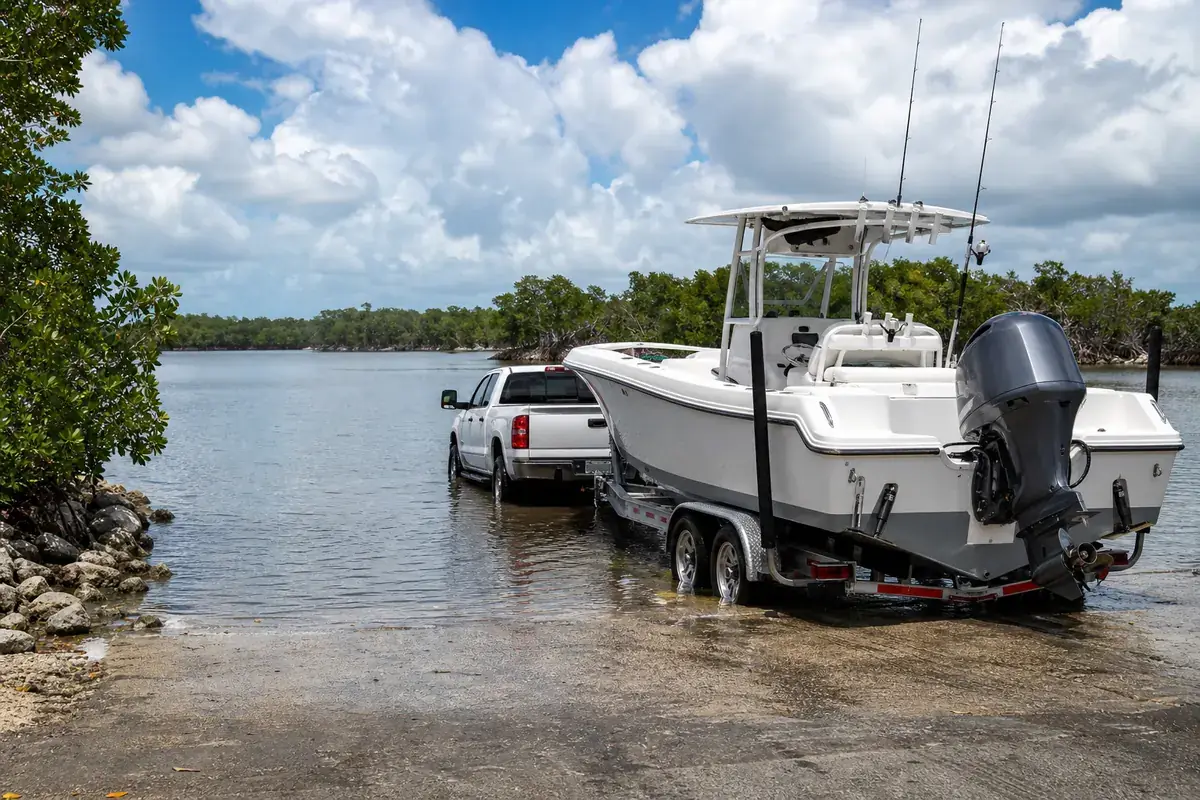
US 41, Summerlin Road, and the bridge routes can turn a simple launch day into a long haul with traffic and weather changes. A good boat policy fits how you actually use your boat around Fort Myers, from river runs to Gulf trips and storage between outings. That can mean liability for damage you may cause, protection for the boat itself, help with the trailer, and terms that make sense for named storms and haul-out plans. We give you straightforward information first, then a licensed agent follows up to review choices for your boat and where you keep it.
Coverage needs in this area are shaped by water, wind, and routine towing. Some owners use center consoles year round. Others keep a pontoon for weekends, trailer a personal watercraft, or store a sailboat through part of the season. Marinas and lenders may ask for specific coverage even though Florida does not have a state boat insurance requirement. We help you sort through that early so you can compare options with fewer surprises and a better sense of what each policy may do.
Boat Insurance Across Lee County and Nearby
What to Review First
Start with the parts that matter most if something goes wrong. In Fort Myers, that usually means liability, damage to the boat, storm planning, and whether your trailer and gear are included. After that, it helps to check where you can use the boat, how it is valued, and any lender or marina conditions that may apply.
Liability on the Water
Liability coverage may help if you are responsible for injury or property damage while using the boat. That can matter in crowded areas near the Caloosahatchee River, around bridge traffic, or at a marina. Limits vary by policy. Some owners also ask about fuel spill or wreck removal options because those expenses may come up after a loss. The right amount often depends on how and where you use the boat.
Hull Coverage and Value
Hull coverage generally refers to protection for physical damage to your boat. One of the first choices is agreed value or actual cash value. Agreed value may pay based on a value set in the policy, while actual cash value usually factors in depreciation at the time of loss. That difference can matter for newer boats, upgraded electronics, and vessels with financing attached.
Storm, Flood, and Haul-Out Planning
Comprehensive coverage generally applies to non-collision losses such as storms, flooding, falling objects, theft, and fire. In Southwest Florida, named-storm language deserves close attention because haul-out rules, storage plans, and timelines may affect how a claim is handled. After Ian in 2022, many owners started asking better questions about where a boat must be moved, when action is expected, and what documentation helps show the plan was followed.
Trailer and Towing Details
A lot of local boat use starts on the road before it reaches the water. If you trailer through Colonial Boulevard, Daniels Parkway, Palm Beach Boulevard, or out toward the bridges, review whether the trailer has its own coverage and how damage during transport is treated. Towing on the water is a separate issue from road towing. Some policies may include limited help, while others may need an added option.
Uninsured Boater and Passenger Concerns
Uninsured boater coverage may help in some situations if another operator causes a loss and does not have enough coverage. Availability and terms differ, so it is worth asking how it works for injuries to you or your passengers. This topic often gets overlooked because owners focus on damage to the boat first. For families and frequent guests, it can be an important part of the review.
Navigational Limits and Lay-Up Periods
Policies often set navigational limits, which means the covered area for normal use. That matters if you move between the river, the Gulf side, and trips farther out. Some policies also use lay-up periods, which are times when the boat is expected to be out of regular use. If your boating pattern changes with seasonal traffic, weather, or storage plans, those terms should match reality as closely as possible.
Lender and Marina Requirements
Florida does not require boat insurance by state law, but lenders and marinas often do. The requested terms may include liability limits, physical damage coverage, or proof that the policy lists the lender correctly. Before you choose a policy, it helps to gather any marina agreement, dry stack rules, or loan paperwork. That keeps the quote focused on what you may actually need, instead of adding coverage that does not fit.
Why Choose Us for Boat Insurance?
Local Use Comes First
We write for Fort Myers and Lee County conditions, not a generic boating page. That means we pay attention to towing routes, bridge access, summer storms, seasonal traffic, and the way people actually store and use boats between the Caloosahatchee River and the Gulf islands.
Clear Guidance, Then Follow-Up
You start with plain information that explains the moving parts without sales language. After that, a licensed agent follows up to talk through your boat type, trailer, storage, financing, and any marina or lender requests. That order helps you ask better questions before you pick a policy.
Built for Real Decisions
We focus on the choices that usually change the outcome after a loss. Value method, named-storm terms, navigational limits, and trailer details can matter as much as the headline coverage names. We keep the review centered on those points so you can compare options with more confidence.
How to Review Options
List the Boat
Start with the basics. Gather the year, make, model, length, motor details, trailer information, and any financed amount. Add notes about electronics, fishing gear, or other equipment that may need separate attention in the quote.
Explain How You Use It
Usage changes the coverage discussion. Tell us whether you stay near the Caloosahatchee River, head toward the Gulf islands, keep the boat at a marina, or trailer it for occasional outings. Storage and storm plans belong in this step too.
Check the Big Risks
Review liability, hull coverage, valuation method, and named-storm language before getting into smaller options. These items often shape the policy outcome more than cosmetic features. Trailer treatment and towing deserve a close look here as well.
Match Outside Requirements
If a lender or marina has insurance terms, bring those in early. That may include proof of coverage, listed interests, or minimum liability expectations. Using those documents from the start helps avoid quotes that miss an important condition.
Compare Final Choices
Once the details are clear, compare deductibles, limits, covered areas, and optional features side by side. A licensed agent follows up to answer questions and help you weigh tradeoffs. That makes it easier to choose a policy that fits your boat and your routine.
Check Florida Rules
For official Florida requirements, the best starting point is the Florida Department of Highway Safety and Motor Vehicles. That is the state source for registration and vehicle related rules. If you want consumer guidance about insurance questions or help understanding policy issues, the Florida Department of Financial Services consumer helpline is also useful. We can explain common boat policy terms, but official state agencies are the place to confirm rule changes and formal requirements.
What Affects Cost
Boat insurance cost usually moves with the boat itself, how you use it, and how much protection you choose. The type of vessel matters, whether it is a center console, pontoon, sailboat, personal watercraft, or another setup. Value, horsepower, age, navigation area, storage method, and trailer needs may all affect the premium. Adding broader physical damage coverage, higher liability limits, towing, or special equipment protection may raise the cost. Choosing different deductibles may also change what you pay.
For a household review, the premium may also shift based on factors tied to the people and property involved. A driving record can matter when trailering is part of the risk picture. Where the boat or trailer is kept may affect the rate, especially if storage changes during storm season. Deductibles and liability limits are major variables. Annual mileage on the towing vehicle, the vehicle used to haul the trailer, and household drivers may also influence related insurance decisions when you compare options.
Boat Insurance Questions We Hear
Is boat insurance required in Florida?
Florida does not have a general state requirement for boat insurance. That said, a lender or marina may require coverage before they will approve storage, docking, or financing. Many owners also choose coverage because storm damage, theft, and liability losses can be expensive. The best next step is to match the policy to your boat, trailer, and storage setup.
What does boat insurance usually cover in Fort Myers?
Coverage often starts with liability and physical damage to the boat, then expands based on options. Comprehensive coverage generally addresses non-collision losses such as storms, flooding, theft, and fire. Collision typically applies to crash damage to your own boat. Policies may also offer towing, trailer protection, equipment coverage, and uninsured boater options, depending on the insurer and the vessel.
Do I need separate coverage for a boat trailer?
Often, yes, or at least a close review of how the trailer is handled. Some policies may include trailer coverage, while others treat it as a separate item with its own terms and limits. If you tow through Fort Myers traffic, bridge approaches, or launch areas often, ask how road damage, theft, and attached equipment are covered before you assume the trailer is included.
What is the difference between agreed value and actual cash value?
Agreed value usually means the policy sets a value for the boat in advance, subject to the policy terms. Actual cash value generally factors in depreciation at the time of loss. For some owners, that choice has a big effect on claim results after a major storm or theft. It is worth reviewing carefully if your boat has financing or valuable upgrades.
How do named storms affect boat insurance around Fort Myers?
Named-storm terms can affect deductibles, haul-out expectations, and what you are expected to do to protect the boat. Some policies may require a written storm plan or a specific storage approach. In a place where summer storms and hurricane recovery are part of the conversation, it helps to ask how the policy treats warnings, transport, marina closures, and documentation of the steps you took.
Contact Us Today for a Free Estimate
Ready to review boat insurance for your Fort Myers vehicle or property? Tell us what you have and we will follow up.
Free, no obligation